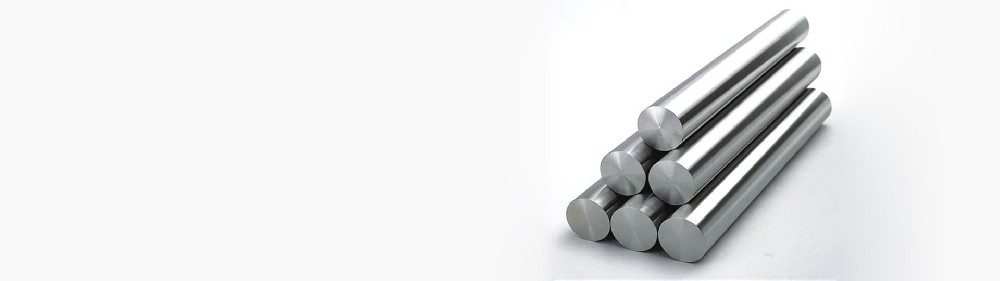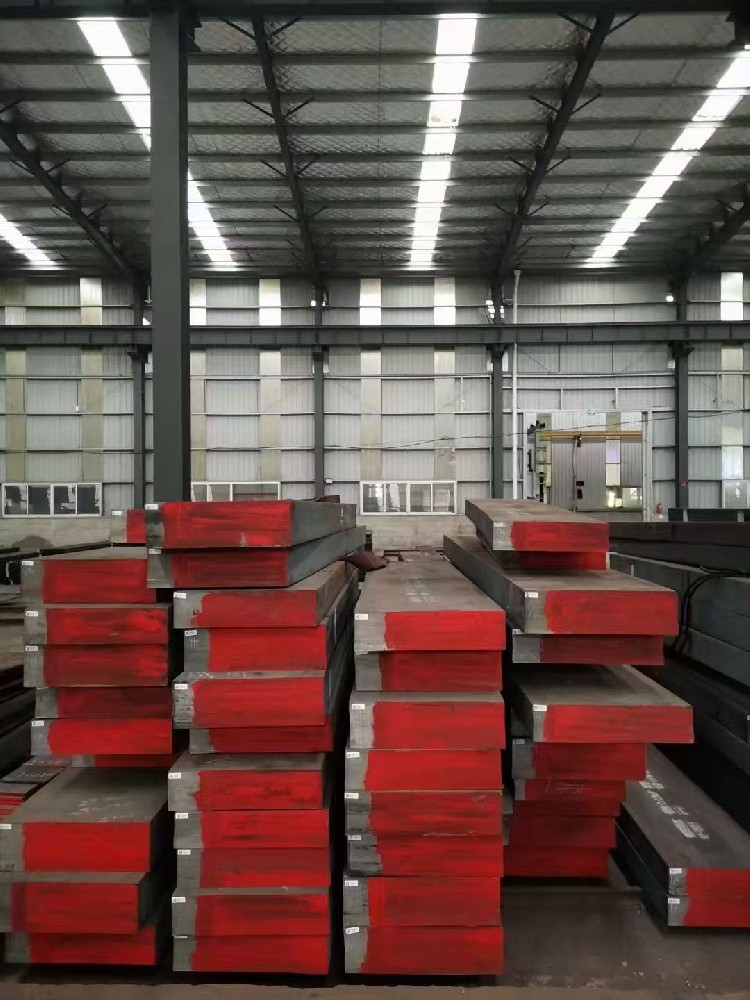
M2 Plate

High-Speed Steel (HSS) is a type of tool steel with high hardness, high wear resistance, and high heat resistance. Also known as high-speed tool steel or sharp steel, it is commonly referred to as "white steel" in daily use.

Detailed parameters of High-Speed Steel:

1.Hardness: HSS boasts extremely high hardness. It can maintain high hardness even under the high heat generated by high-speed cutting (approximately 500℃), with an HRC value typically exceeding 60.

2.Density: The density of HSS ranges from approximately 8.3 to 8.7 g/cm³.

3.Alloying Elements: HSS is a complex alloy steel containing carbide-forming elements such as tungsten (W), molybdenum (Mo), chromium (Cr), cobalt (Co), and vanadium (V). The total content of these elements is usually between 10% and 25%.

4.Red Hardness: HSS exhibits excellent red hardness, meaning it can retain hardness and wear resistance at high temperatures. This is one of its most prominent characteristics.

5.Manufacturing & Applications: Thanks to its good processability combined with strength and toughness, HSS is mainly used for manufacturing complex, thin-edged, and impact-resistant metal cutting tools. It is also applied in the production of high-temperature bearings and cold extrusion dies, among other products.


M2 Plate
- MINGHANG High-Speed Steel
Technical Information

M2 high-speed steel (HSS) is the world's most widely used general-purpose high-speed tool steel, renowned for its excellent hardness, wear resistance, and red hardness. It has replaced traditional T1 HSS as the "benchmark choice" for cutting tool manufacturing. M2 plate is the flat-shaped product of this high-quality material, widely applied in the production of precision molds, cutting tools, and wear-resistant components.

I. Basic Properties & Chemical Composition

Standards & Grades:

  • ASTM/AISI: M2 (UNS T11302)

  • European: 1.3343, HS6-5-2C

  • Japanese: SKH51

  • Chinese: W6Mo5Cr4V2

Chemical Composition (Mass Percentage):

ElementContent RangeFunction
Carbon (C)0.80~0.90%Forms carbides to enhance hardness and wear resistance
Molybdenum (Mo)4.50~5.50%Improves hot hardness and replaces part of tungsten
Tungsten (W)5.50~6.75%Forms stable carbides to boost red hardness
Chromium (Cr)3.89~4.49%Enhances hardenability and oxidation resistance
Vanadium (V)1.75~2.20%Forms high-hardness carbides for superior wear resistance
Silicon (Si)0.20~0.45%Increases strength and toughness
Manganese (Mn)0.15~0.40%Improves machinability
Sulfur (S), Phosphorus (P)≤0.030%Reduces harmful impurities and improves purity